Transforming Dog Behavior Through Structured Pack Walks

Updated: Aug 14
Walking your dog can be a simple pleasure, but it can also be a source of frustration if your furry friend exhibits undesirable behaviors. Many dog owners struggle with issues such as pulling on the leash, barking at other dogs, or being overly excited during walks. One effective solution to these common problems is implementing structured pack walks. This approach not only helps in managing your dog's behavior but also fosters a sense of community among dogs and their owners.
Understanding Pack Walks
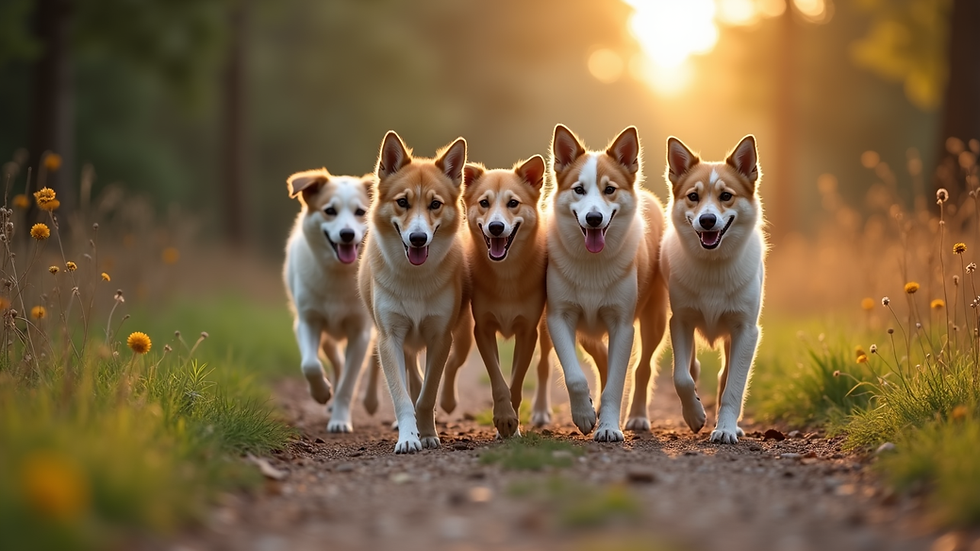
Pack walks involve taking a group of dogs and their owners on a walk together. This method is rooted in the understanding of canine behavior and social dynamics. Dogs are pack animals by nature, and they thrive in social settings. By walking in a structured manner, dogs learn to interact appropriately with each other while also following their owner's lead.
Benefits of Structured Pack Walks
Improved Socialization
Dogs that participate in pack walks have the opportunity to socialize with other dogs in a controlled environment. This exposure helps reduce anxiety and fear around unfamiliar dogs, leading to better behavior in public spaces.
Enhanced Obedience
During pack walks, dogs are required to follow commands and maintain a certain level of discipline. This reinforces training and encourages dogs to listen to their owners, even amidst distractions.
Physical Exercise
Regular pack walks provide dogs with the physical activity they need to stay healthy. Exercise is crucial for a dog’s well-being, and walking in a group can motivate owners to maintain a consistent routine.
Strengthened Bond Between Owner and Dog
Engaging in structured walks allows owners to spend quality time with their dogs, strengthening their bond. This connection is vital for effective training and overall happiness.
Community Building
Pack walks create a sense of community among dog owners. Sharing experiences, tips, and support can enhance the dog ownership experience and foster friendships.
Preparing for a Pack Walk
Before embarking on a pack walk, it’s essential to prepare both yourself and your dog. Here are some steps to ensure a successful outing:
1. Assess Your Dog’s Readiness
Not all dogs are suited for pack walks right away. Assess your dog's temperament and behavior. If your dog is overly aggressive or fearful, consider working on these issues before joining a group.
2. Choose the Right Equipment
Using the right gear is crucial for a successful pack walk. Here’s what you’ll need:
Leash: A sturdy leash that allows you to maintain control of your dog.
Collar or Harness: A comfortable collar or harness that fits well.
Waste Bags: Always clean up after your dog to maintain a pleasant environment for everyone.
3. Find a Local Pack Walk Group
Research local dog training facilities, community centers, or online forums to find organized pack walks in your area. Many trainers offer group walks as part of their services.
4. Set Clear Expectations
Before joining a pack walk, communicate your goals and expectations with the group leader. This ensures everyone is on the same page regarding behavior and training techniques.
Conducting a Successful Pack Walk
Once you’re prepared, it’s time to hit the trail. Here are some tips for conducting a successful pack walk:
1. Maintain a Calm Demeanor
Dogs are highly attuned to their owner's emotions. By staying calm and assertive, you set the tone for the walk. If you’re anxious or distracted, your dog may pick up on that energy and become restless.
2. Use Positive Reinforcement
During the walk, reward your dog for good behavior. Use treats, praise, or toys to reinforce positive actions, such as walking calmly beside you or ignoring distractions.
3. Keep a Steady Pace
A structured pack walk should maintain a steady pace. This helps dogs learn to walk in sync with the group and reduces the likelihood of pulling or lunging.
4. Encourage Social Interactions
Allow dogs to greet each other, but do so in a controlled manner. Monitor their interactions and intervene if necessary to prevent any aggressive behavior.
5. Incorporate Training Exercises
Use the pack walk as an opportunity to practice commands. Incorporate sit, stay, and heel commands during the walk to reinforce training in a real-world setting.
Troubleshooting Common Issues
Even with the best preparation, issues may arise during pack walks. Here are some common problems and how to address them:
1. Excessive Barking
If your dog barks excessively, it may be due to excitement or anxiety. Try to redirect their attention with treats or commands. If barking persists, consider stepping away from the group until your dog calms down.
2. Pulling on the Leash
If your dog pulls on the leash, stop walking and wait for them to return to your side. Once they do, reward them and continue walking. This teaches them that pulling will not get them where they want to go.
3. Aggression Towards Other Dogs
If your dog shows signs of aggression, it’s crucial to remove them from the situation. Take a step back and give them space. Work on desensitizing them to other dogs through gradual exposure in a controlled environment.
4. Distraction by Surroundings
Dogs can easily become distracted by their environment. If your dog is fixated on something, redirect their focus back to you with a command or treat. Consistent training will help them learn to ignore distractions over time.
The Role of the Pack Leader
In a pack walk, the owner assumes the role of the pack leader. This position is vital for establishing authority and ensuring the safety of all participants. Here’s how to embody the role of a pack leader:
1. Be Confident
Dogs respond to confidence. Walk with purpose and maintain a strong posture. Your dog will feel more secure and follow your lead.
2. Set Boundaries
Establish clear boundaries for your dog during the walk. This includes not allowing them to jump on other dogs or people without permission.
3. Communicate Effectively
Use clear commands and body language to communicate with your dog. Consistency is key in reinforcing desired behaviors.
4. Lead by Example
Demonstrate the behaviors you want to see in your dog. If you remain calm and collected, your dog is more likely to mirror that behavior.
Expanding the Benefits Beyond the Walk
The benefits of structured pack walks extend beyond the walk itself. Here are some ways to maximize the impact of your pack walks:
1. Incorporate Training Sessions
Use pack walks as an opportunity to reinforce training. Incorporate short training sessions during the walk to keep your dog engaged and learning.
2. Build a Support Network
Connect with other dog owners in your pack walk group. Share tips, experiences, and resources to enhance your dog ownership journey.
3. Explore New Locations
Vary your walking routes to keep things interesting for both you and your dog. New environments provide different stimuli and challenges, which can be beneficial for training.
4. Schedule Regular Walks
Consistency is crucial for behavior modification. Aim to participate in pack walks regularly to reinforce positive behaviors and maintain socialization.
Conclusion
Structured pack walks offer a powerful solution for transforming dog behavior. By fostering socialization, enhancing obedience, and building a strong bond between owner and dog, these walks can significantly improve the overall experience of dog ownership. As you embark on this journey, remember to stay patient and consistent. With time and dedication, you will see positive changes in your dog's behavior, making walks a joyful experience for both of you.
So, gather your fellow dog owners, find a local pack walk group, and start transforming your dog's behavior today!

Comments