Pack Walks: The Secret to a Well-Behaved Dog

Updated: Aug 14
Dogs are not just pets; they are companions, family members, and sometimes, our best friends. However, owning a dog comes with its challenges, especially when it comes to training and behavior. One effective method that has gained popularity among dog owners is the concept of pack walks. This approach not only helps in training your dog but also strengthens the bond between you and your furry friend. In this post, we will explore what pack walks are, their benefits, and how to implement them effectively.
Understanding Pack Walks
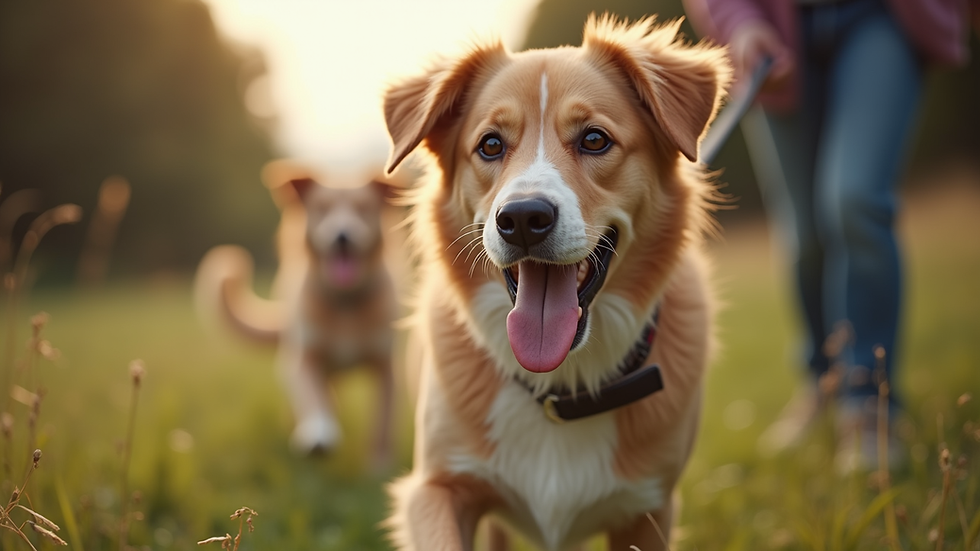
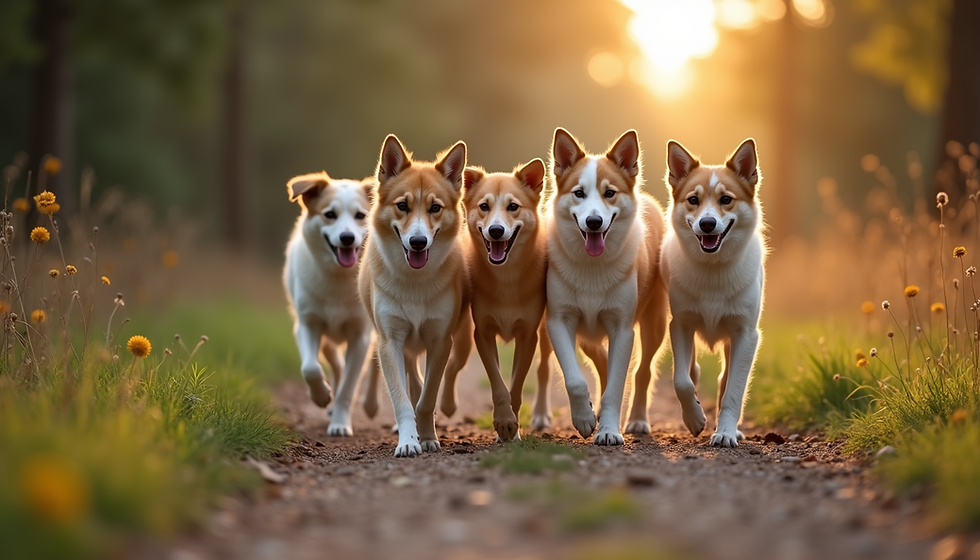
Pack walks involve taking your dog out for a walk with other dogs and their owners. This practice mimics a natural behavior seen in wild canines, where they travel in packs. The idea is to create a structured environment where dogs can socialize, learn proper behavior, and enjoy physical exercise.
The Importance of Structure
Dogs thrive on routine and structure. Pack walks provide a controlled setting where dogs can learn to follow commands, interact with other dogs, and understand their place within the group. This structure is crucial for:
Socialization: Dogs learn how to interact with their peers, which can reduce aggressive or fearful behaviors.
Discipline: Walking in a group encourages dogs to follow commands and behave appropriately.
Exercise: Regular walks help maintain a healthy weight and reduce behavioral issues caused by pent-up energy.
Benefits of Pack Walks
Engaging in pack walks offers numerous advantages for both dogs and their owners. Here are some key benefits:
Improved Behavior
Dogs that participate in pack walks often exhibit better behavior. The presence of other dogs and owners creates a stimulating environment that encourages dogs to focus and listen to their handlers. This can lead to:
Reduced barking
Less pulling on the leash
Improved recall
Enhanced Social Skills
Pack walks provide an excellent opportunity for dogs to socialize. They learn how to read body language, understand social cues, and interact appropriately with other dogs. This socialization is vital for:
Reducing anxiety in new situations
Preventing aggression towards other dogs
Building confidence in shy or fearful dogs
Strengthened Bond with Your Dog
Walking together in a pack fosters a deeper connection between you and your dog. As you navigate the walk, your dog learns to trust you as a leader. This bond is essential for effective training and overall happiness.
Physical and Mental Stimulation
Pack walks are not just about physical exercise; they also provide mental stimulation. Dogs are naturally curious creatures, and exploring new environments with other dogs keeps their minds engaged. This can lead to:
Improved problem-solving skills
Increased focus and attention
A more balanced and content dog
How to Organize a Pack Walk
If you're interested in incorporating pack walks into your dog's routine, here are some steps to get started:
Find a Group
Look for local dog owners who are interested in participating in pack walks. You can find groups through:
Social media platforms
Local dog parks
Community bulletin boards
Set a Schedule
Establish a regular schedule for your pack walks. Consistency is key to ensuring that dogs and their owners can commit to the activity. Aim for at least once a week to reap the benefits.
Choose a Suitable Location
Select a safe and dog-friendly location for your walks. Parks, trails, or quiet neighborhoods are ideal. Ensure the area is free from distractions and hazards.
Establish Rules
Before starting the pack walk, set clear rules for all participants. This may include:
Keeping dogs on leashes
Maintaining a safe distance between dogs
Using positive reinforcement for good behavior
Start Slow
If your dog is new to pack walks, start with shorter walks and gradually increase the distance. This allows your dog to adjust to the new environment and the presence of other dogs.
Tips for Successful Pack Walks
To ensure your pack walks are enjoyable and beneficial, consider the following tips:
Use Proper Equipment
Invest in a good-quality leash and collar or harness. This will help you maintain control over your dog during the walk. Avoid retractable leashes, as they can create confusion and reduce your ability to manage your dog effectively.
Monitor Your Dog's Behavior
Pay attention to your dog's body language during the walk. If your dog appears anxious or aggressive, it may be best to remove them from the situation. Gradually reintroduce them to the group as they become more comfortable.
Encourage Positive Interactions
Use treats and praise to reward your dog for good behavior during the walk. This reinforces positive interactions and helps your dog associate pack walks with enjoyable experiences.
Be Patient
Not all dogs will adapt to pack walks immediately. Some may take longer to feel comfortable in a group setting. Be patient and allow your dog to progress at their own pace.
Common Challenges and Solutions
While pack walks can be incredibly beneficial, they may also come with challenges. Here are some common issues and how to address them:
Aggression Towards Other Dogs
If your dog displays aggressive behavior towards other dogs, it’s essential to address this before joining a pack walk. Consider consulting a professional dog trainer who can help you work through these issues.
Overexcitement
Some dogs may become overly excited during pack walks, leading to pulling or barking. To manage this, practice basic commands like “sit” and “stay” before the walk. This will help your dog learn to focus on you rather than the other dogs.
Distractions
Dogs can easily become distracted by their surroundings. To minimize this, choose quieter routes for your pack walks and gradually introduce your dog to busier environments as they become more comfortable.
Conclusion
Pack walks are a powerful tool for dog owners looking to improve their dog's behavior, social skills, and overall well-being. By engaging in regular pack walks, you not only provide your dog with physical exercise but also foster a strong bond between you and your furry friend. Remember to be patient, consistent, and attentive to your dog's needs, and you'll soon see the positive effects of this enriching activity.
So grab your leash, gather some fellow dog owners, and hit the trail. Your dog will thank you for it!

Comments