7 Signs Your Dog Isn't Getting Enough Structured Exercise

Updated: Aug 9
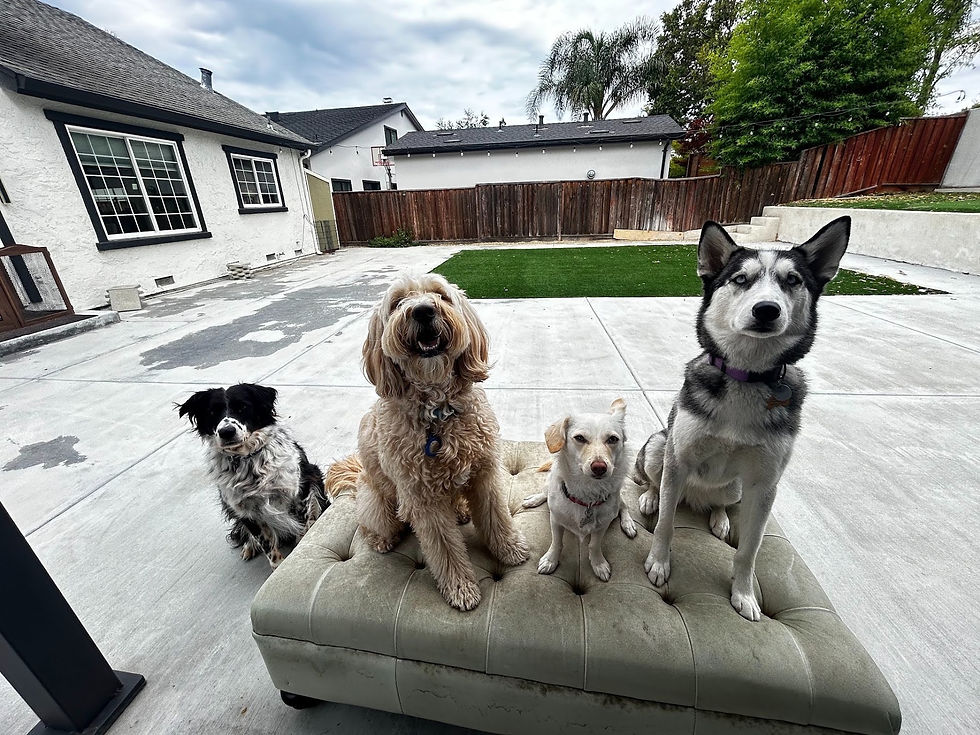
A community-driven, structured dog walking company
By Debra Cavlan | August 6, 2026
"My dog has so much energy, and I don't know what to do with it."
We hear this a lot from dog owners throughout Saratoga, Los Gatos, Campbell, Cupertino, San Jose, and communities across Santa Clara County.
And sometimes, it's the first clue that your dog may need more than simply another quick walk around the block.
Dogs need physical activity, but they can also benefit from mental stimulation, consistency, exploration, and appropriate social experiences. When those needs aren't being met, some dogs may look for their own ways to stay busy — and those aren't always behaviors we love.
The encouraging part: usually, these issues can ease up when a dog starts getting the right amount of structured exercise and socialization.
Here are seven signs that your dog may benefit from more structured activity in their routine.
1. Barking at Everything
If your dog spends long stretches at home and seems to react to every car, squirrel, delivery truck, or person walking past the window, there could be several reasons.
Boredom and excess energy can sometimes contribute to barking, but they're not the only possibilities. Dogs may also bark because they're excited, fearful, frustrated, territorial, or simply responding to something interesting.
Regular walks, exploration, and enrichment can give your dog appropriate outlets for physical and mental activity.
A structured walk may also give them an opportunity to practice staying focused while experiencing everyday distractions.
2. The Destroyed Couch-Cushion Look
Chewed furniture.
Shredded pillows.
A shoe that didn't survive the afternoon.
Dug-up landscaping.
Before assuming your dog is simply being naughty, it's worth asking a few questions:
Are they getting enough physical activity?
Are they getting enough mental stimulation?
Do they have appropriate things to explore and engage with?
Dogs can chew, dig, or become destructive for many reasons. Excess energy and boredom can be contributing factors, but anxiety, stress, teething, lack of training, and other issues can also play a role.
A consistent routine that includes appropriate exercise, enrichment, and engagement may help some dogs settle more comfortably at home.
3. Dragging You Down the Street
Constant leash pulling isn't always simply a training problem.
Sometimes a dog is excited about everything happening around them. Other times, they're eager to explore, haven't had enough opportunities for exercise, or haven't yet learned how to walk calmly on leash.
Consistent, structured walks give dogs opportunities to practice:
Walking on leash
Following direction
Paying attention around distractions
Exploring their environment appropriately
Developing patience and impulse control
The goal isn't simply to make the walk longer.
It's to make the walk an opportunity for your dog to move, explore, learn, and practice good walking habits.
4. Your Dog Can't Seem to Settle Down Indoors
Zoomies can be hilarious.
Every evening, however, can be a different story.
If your dog spends the day looking for something to do, constantly moving around the house, bringing you toys, pacing, or repeatedly seeking stimulation, they may have more energy than their current routine is helping them use.
Some breeds and individual dogs naturally have higher activity and enrichment needs.
Australian Shepherds, Border Collies, German Shepherds, Labrador Retrievers, and Huskies, for example, can be particularly active — but individual dogs vary considerably.
Breed is only one part of the picture. Age, health, temperament, lifestyle, and personality all matter too.
5. Your Dog Is Gaining Weight
If your veterinarian has mentioned that your dog could benefit from reaching a healthier weight, increasing appropriate daily activity may be one part of an overall plan.
But exercise isn't the whole picture.
Nutrition, age, breed, health, medications, and other factors can all influence a dog's weight.
Regular movement can be an important part of a healthy lifestyle, but every dog has different exercise needs.
If you're concerned about your dog's weight, mobility, or overall health, talk with your veterinarian about an appropriate exercise routine.
6. Your Dog Always Wants Your Attention
Nudging you.
Following you from room to room.
Pawing at you.
Bringing you toys.
Constantly asking for interaction.
Sometimes, your dog simply wants attention and companionship — and that's perfectly normal.
But persistent attention-seeking can also be a sign that your dog needs more opportunities throughout the day to explore, move, think, and engage with their environment.
Dogs need affection, but they also benefit from having an enriching daily routine.
For some dogs, structured exercise can become an important part of that routine.
7. Your Dog Can't Seem to Settle Down After the Day
Pacing.
Whining.
Restlessly moving from room to room.
Constantly looking for something to do.
Difficulty settling can have many possible causes. Stress, anxiety, excitement, discomfort, lack of routine, and excess energy can all play a role.
A well-planned walk can provide physical activity, mental stimulation, exploration, and time away from the house.
For some dogs, that combination can help them transition into a calmer part of their day.
But if your dog's restlessness is sudden, severe, or unusual for them, it's important not to assume they simply need more exercise. A veterinarian can help rule out potential health concerns.
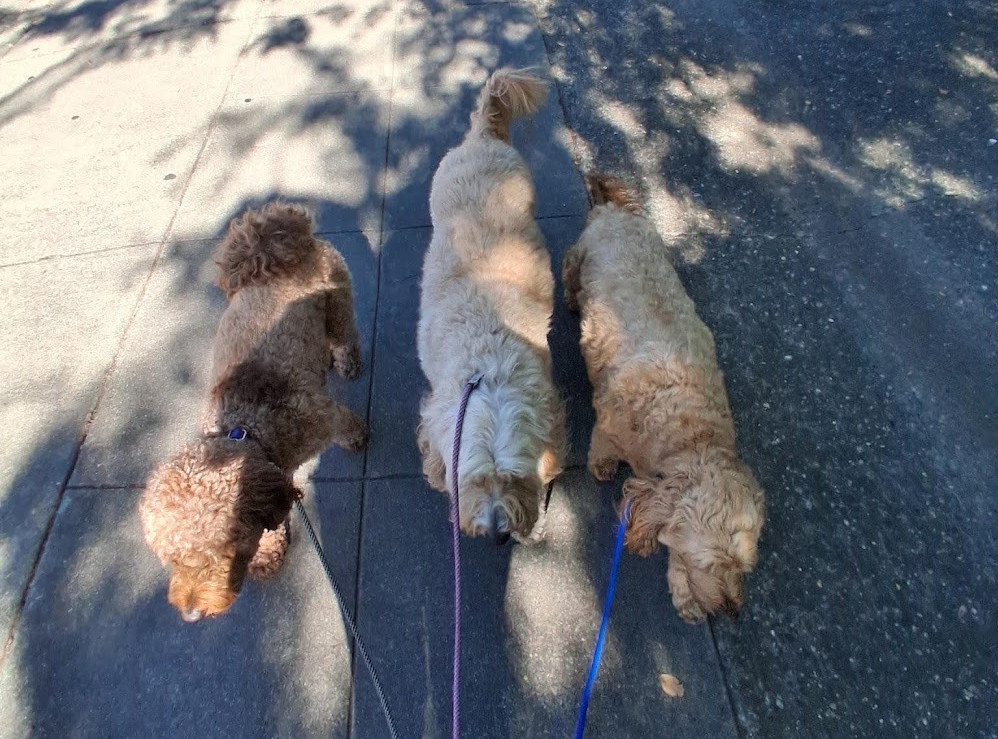
So How much Exercise Does Your Dog Actually Need?
There isn't one perfect number that works for every dog.
A young, energetic working breed may have very different needs from a senior dog. A healthy adult dog may need something different from a dog recovering from an injury or living with a medical condition.
Your dog's exercise needs can depend on:
Age
Breed
Size
Health
Fitness level
Temperament
Energy level
Lifestyle
Individual personality
And exercise doesn't have to mean simply walking farther.
Dogs can benefit from a combination of physical movement, exploration, training, enrichment, and appropriate social experiences.
Why Structure Matters as Much as Exercise and Why We Do Pack Walks
At The Gentleman's Paw, we've found that exercise is only part of the equation.
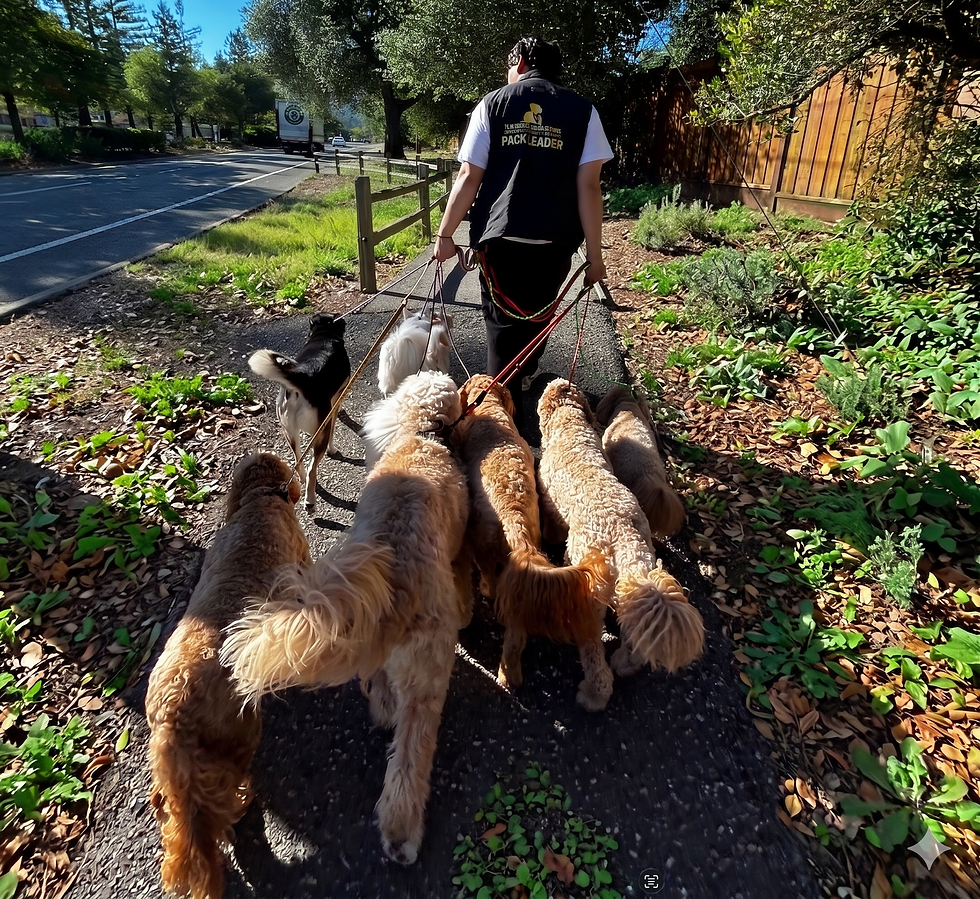
Our structured pack walks give dogs opportunities to practice calm walking, leash manners, following direction, navigating distractions, and moving appropriately alongside other dogs.
We're not trying to simply wear dogs out.
We're creating an environment where they can move, explore, practice, and participate in a consistent routine.
We've seen some dogs become more comfortable and focused over time with consistent structured walks.
Every dog is different, though, which is why we don't promise that a pack walk will solve a particular behavioral issue.
Instead, we focus on providing a safe, structured, and enjoyable walking experience that fits the individual dog.
We've watched dogs who used to bark at every dog relax into themselves over time.
It's genuinely one of the most rewarding things to watch and is one of the best parts of the job—
Some clients are often surprised when their dogs become calmer and more focused with consistent structured pack walks.
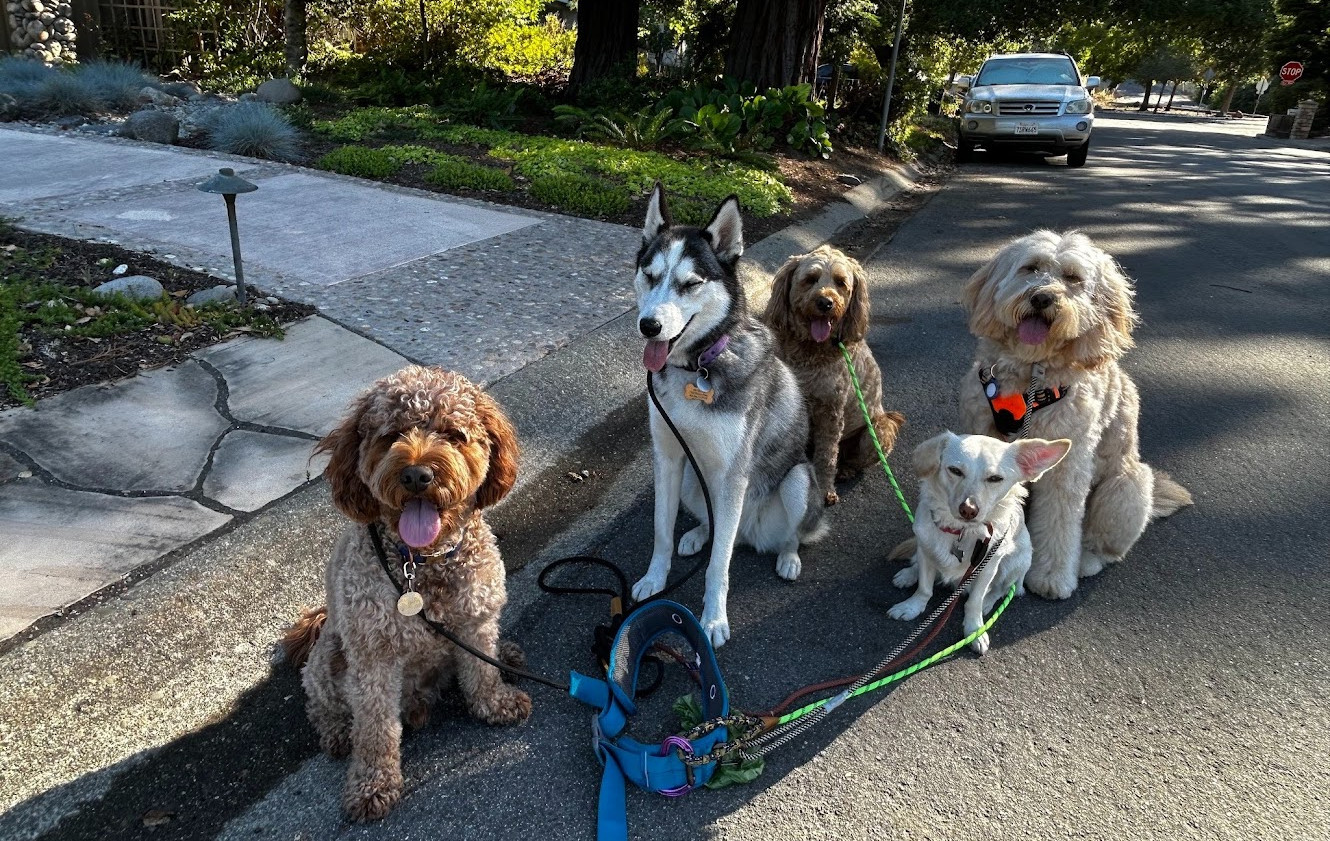
Ready to Help Your Dog Thrive? 🐾
Our goal is simple:
Help dogs enjoy happier, healthier, more enriching lives through professional dog walking and structured pack walks.
If life has gotten busy and a few of these signs sound familiar, it might be a good time to add more structured activity to your dog's week.
The Gentleman's Paw proudly serves dog owners throughout Saratoga, Los Gatos, Cupertino, San Jose, and surrounding Santa Clara County communities.
Every dog deserves an approach that's right for them. We want to help your dog become a calmer, happier version of themselves.
Contact The Gentleman's Paw today to schedule a Meet & Greet, and let's see whether our structured walking program is a good fit for your dog. Learn more
Every Dog Is Different
If your dog's behavior, energy level, appetite, mobility, or overall condition changes suddenly or significantly, consult your veterinarian before changing their exercise routine.
Meet The Gentleman's Paw 🐾
Reid Yoshida(408) 701-7268
Email: thegentlemanspaw@gmail.com
Website: www.gentlemans-paw.com
Instagram: @the_gentlemans_paw
Facebook: The Gentleman's Paw
Share & follow
Instagram: the_gentlemans_paw
Facebook: The Gentleman’s Paw
Comments